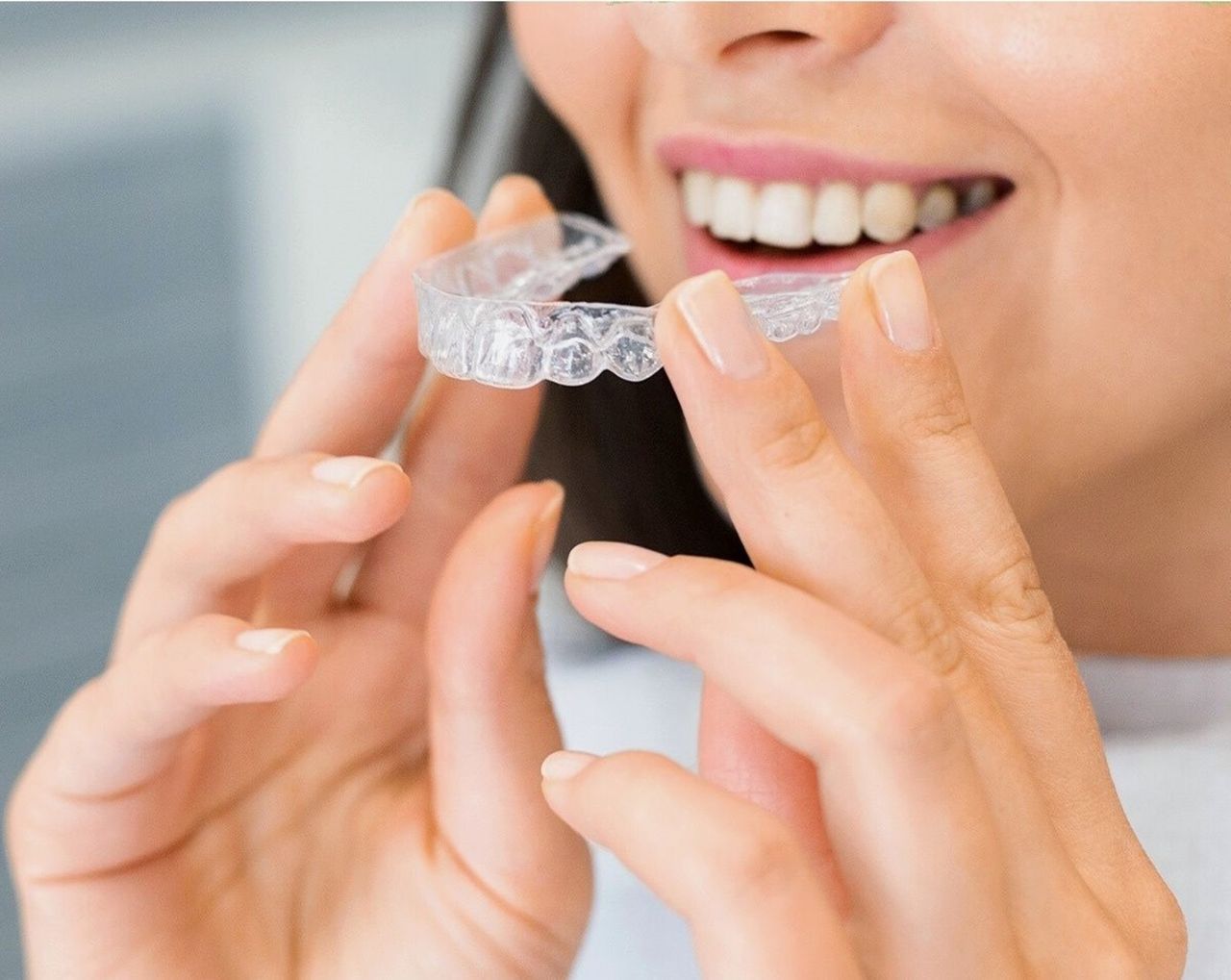
Teeth can move throughout adulthood, even if they were straight for many years. You might notice a small gap developing between your front teeth, crowding near the lower incisors, or changes in how your upper and lower teeth meet. These shifts may affect appearance, cleaning, and bite comfort.
Clear aligners offer one possible way to address certain alignment concerns, but their suitability depends on what is causing the movement and how much correction is needed.
Why Do Adult Teeth Start Shifting?
Teeth are not permanently fixed in one position. They are held in place by supporting tissues that allow small movements over time. Several factors can contribute to noticeable shifting.
Common causes include:
- Not wearing retainers: Teeth may gradually move after orthodontic treatment if retainers are not used as directed.
- Age-related changes: Natural changes in the jaw and surrounding tissues may affect tooth alignment.
- Gum disease: Periodontal inflammation and bone loss can weaken the support around teeth, allowing them to move.
- Tooth loss: When a tooth is missing, neighbouring teeth may drift into the available space.
- Bite pressure: Grinding, clenching, or uneven contact between teeth may contribute to unwanted movement.
Identifying the cause is important. For example, shifting linked to gum disease may require periodontal care before orthodontic treatment is considered.
How Can Clear Aligners Correct Tooth Movement?
Clear aligners are removable trays designed to apply controlled pressure to selected teeth. Each set is shaped slightly differently, guiding teeth through planned movements over time.
For suitable cases, aligners may help correct mild to moderate crowding, small gaps, and certain bite concerns. Adults considering Invisalign in Windsor may find this option appealing because the trays are transparent and removable for meals, brushing, and flossing.
However, aligners are not suitable for every type of tooth movement. Complex bite problems, significant rotations, severe crowding, or movement related to advanced gum disease may require a different approach. An examination helps determine whether aligners are appropriate.
What Affects Treatment Success?
Consistent wear is essential. Patients generally need to wear their aligners for around 20 to 22 hours daily, following the schedule provided by their dental professional. Removing them too often may interrupt the planned movement and affect progress.
Oral health also matters. Active gum disease, untreated decay, and other dental concerns may need attention before treatment begins. A dentist will assess the teeth, gums, bite, and supporting structures to understand the risks and treatment requirements.
A dentist in Windsor can also explain whether attachments, additional aligner sets, or other procedures may be needed. Treatment length varies according to the amount and complexity of movement. Retainers are usually necessary afterward because teeth may shift again without ongoing retention.
Is It Worth Addressing Adult Tooth Shifting?
Adult tooth movement is not always an emergency, but it should not automatically be dismissed as a cosmetic concern. New gaps, increasing crowding, loose teeth, or changes in your bite deserve professional assessment. Early evaluation may help identify the cause and prevent further complications.
Discuss Your Alignment Options with Roseland Family Dental!
If your teeth have shifted over time, contact Roseland Family Dental to arrange an assessment. Our team can evaluate your alignment, check your oral health, and discuss whether clear aligners or another treatment approach may suit your needs. A personalised plan begins with understanding what is causing the movement.