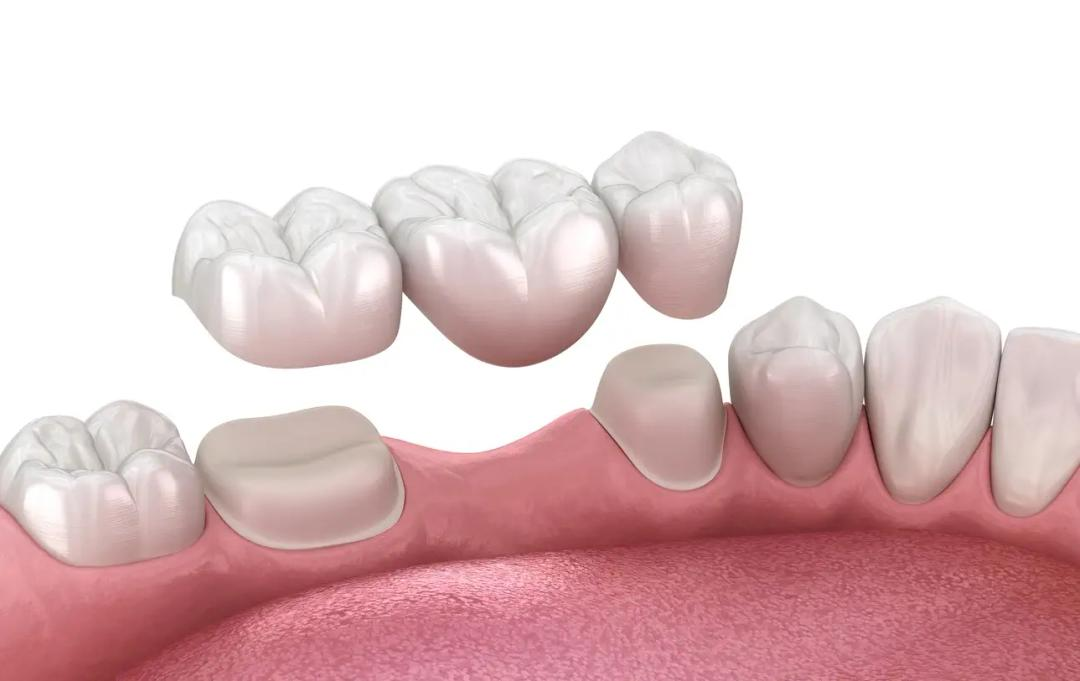
Replacing missing teeth with dental implants is one of the most durable and natural-looking restoration solutions available. Unlike traditional dentures or bridges, an implant relies on a remarkable biological process called osseointegration—the direct structural and functional connection between living jawbone and the surface of a titanium post.
However, for individuals managing diabetes or fluctuating blood glucose, achieving successful bone fusion requires careful planning and coordination. At Roseland Family Dental, we work closely with our patients to ensure that health factors like blood sugar are managed effectively before, during, and after tooth replacement.
What Is Osseointegration and Why Does Blood Sugar Matter?
When a dental implant is placed into the jawbone, your body initiates a natural healing response. Specialized bone-building cells, known as osteoblasts, begin depositing new bone matrix around the implant. Over a period of three to six months, this process transforms the post into a permanent root foundation for a porcelain crown, bridge, or full arch.
High blood sugar (hyperglycemia) directly interferes with this complex biological sequence in several key ways:
- Impaired Cell Activity: Elevated blood glucose reduces the activity and proliferation of osteoblasts, delaying the formation of new bone around the implant.
- Microvascular Damage: Prolonged high blood sugar damages microblood vessels, restricting oxygen and nutrient delivery to the surgical site needed for cellular repair.
- Reduced Collagen Synthesis: Collagen provides the structural scaffolding for new bone tissue. Diabetes can disrupt collagen production, weakening the initial structural stability of the jawbone.
- Increased Risk of Infection: High blood sugar impairs white blood cell function, weakening your immune system’s ability to ward off peri-implant bacterial infections during the critical early healing window.
Controlled vs. Uncontrolled Blood Sugar: What the Research Shows
Having diabetes does not automatically disqualify you from getting dental implants. Clinical research consistently shows that patients with well-controlled blood sugar levels experience implant success rates nearly identical to non-diabetic individuals (typically 95% or higher).
The primary risk factor is uncontrolled or poorly managed blood glucose, often measured by the HbA1c test:
| HbA1c Level | Status | Dental Implant Viability |
| Below 7.0% | Well-Controlled | Excellent candidate; standard healing timeline expected. |
| 7.0% – 8.0% | Moderately Controlled | Good candidate; may require modified healing protocols or pre-operative optimization. |
| Above 8.0% | Poorly Controlled | Higher risk of osseointegration failure; blood sugar stabilization is recommended prior to surgery. |
Prior to undergoing surgery for dental implants in Windsor, your dental team will review your HbA1c history and coordinate with your primary care physician to confirm your body is fully equipped to heal.
Steps to Ensure Successful Bone Fusion
If you are considering tooth replacement and have diabetes or prediabetes, following a proactive treatment plan ensures long-term success:
- Get an HbA1c Baseline: Work with your doctor to obtain a recent HbA1c reading to verify your blood sugar stability over the past 2–3 months.
- Prioritize Pre-Surgical Oral Health: Treat any existing gum inflammation or periodontitis, as active oral infections can spread to the implant site.
- Follow Post-Operative Guidelines: Adhere to all prescribed post-surgical care instructions, including antimicrobial mouth rinses, soft-food diets, and prescribed antibiotics if indicated.
- Maintain Regular Dental Checkups: Routine cleanings and monitoring allow your dentist to evaluate bone density and catch any early signs of peri-implant tissue inflammation before problems arise.
Take the Next Step for Your Smile
Restoring your smile with dental implants is entirely achievable when blood sugar levels are monitored and controlled. Partnering with an experienced dentist in Windsor ensures your treatment plan is tailored to your unique medical history, giving your new implant the solid foundation it needs to last a lifetime.
If you have questions about tooth replacement or want to discuss your candidacy for implants, contact Roseland Family Dental today to schedule a consultation.